


Sole Protectors for Diabetics – Complete Guide
When we talk about “sole protectors for diabetics,” we’re really talking about anything that protects the bottom of the foot from:
- Excessive pressure
- Impact
- Rough surfaces
- Sharp objects
- Friction and shear
This includes special soles, insoles, heel cups, and pressure-relieving designs built into diabetic footwear like Stepwise.
Why the Sole Needs Extra Protection in Diabetics
For people without diabetes, a small stone in the shoe is painful—but for someone with diabetic neuropathy, they may not feel it at all. The result?
- Bruising → Blister → Wound → Ulcer
Protecting the sole is critical because:
- It bears body weight all day
- It is constantly exposed to impact and pressure
- Nerve damage and poor blood flow make it vulnerable
Types of Sole Protectors for Diabetics
1. Cushioned Outsoles
These are the bottom layers of the shoe that touch the ground. Good diabetic footwear uses:
- Shock-absorbing materials
- Flexible yet supportive designs
- Non-slip patterns for grip
These reduce stress on joints and foot tissues.
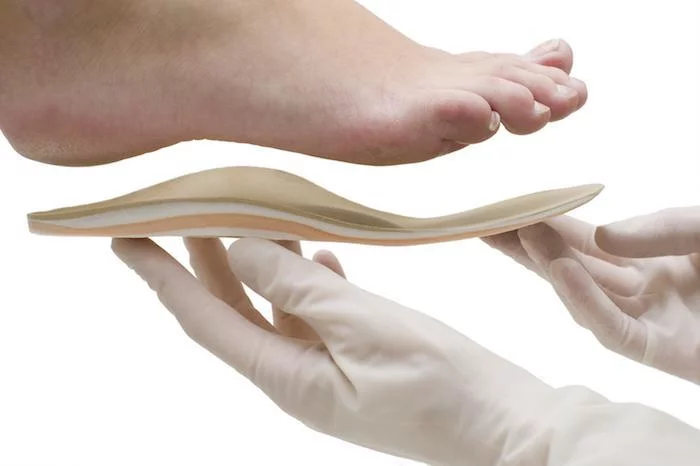
2. Soft, Contoured Insoles
Insoles sit inside the shoe, directly under your foot. In diabetic footwear, insoles are:
- Soft, yet supportive
- Often removable and replaceable
- Designed to redistribute pressure
Stepwise insoles act as “pillows for your soles”—especially helpful for those with heel pain, forefoot pain, or neuropathy.
3. Offloading Insoles
Some insoles are specifically tailored to reduce load on certain areas (e.g., under the big toe or metatarsal heads). These are very useful for:
- People with calluses
- History of plantar ulcers
- Foot deformities
4. Extra-Depth Shoe Design
While not technically a “sole,” extra depth allows enough space for:
- Insoles
- Orthotics
- Swollen feet
This prevents the top of the foot from rubbing against the shoe and helps overall foot protection.
What to Look for in a Sole Protector if You’re Diabetic
When choosing diabetic footwear or insoles, check for:
- Even support from heel to toe
- No hard or sharp changes in level inside the shoe
- Firm heel support with soft forefoot cushioning
- Shock absorption for walking on hard floors
- Non-slip outsole for safety
Stepwise sole technology focuses on impact absorption + pressure distribution, ideal for daily wear across home, work, and outdoor movement.
Everyday Habits to Support Sole Protection
- Never walk barefoot—even at home.
- Use diabetic footwear both indoors and outdoors if you’re high-risk.
- Regularly inspect the bottom of your shoes and insoles for stones, cracks, or uneven wear.
- Replace soles and footwear when they lose their cushioning or become uneven.
How Stepwise Diabetic Footwear Acts as a Sole Protector
With Stepwise, sole protection is built into every layer:
- Cushioned footbeds to reduce peak pressure
- Supportive midsoles that stabilise your steps
- Protective outsoles that grip the ground and prevent slips
- Designs that work with your gait instead of against it
For people searching online for:
“sole protectors for diabetics”