


How Offloading Footwear Prevents Ulcers
Diabetic foot ulcers don’t just happen overnight—they are usually the result of continuous pressure and friction on certain areas of the foot, combined with nerve damage and poor circulation.
This is where offloading footwear comes in. If you’ve heard the term and wondered, “How does offloading footwear actually prevent ulcers?”, this blog breaks it down in simple, relatable language.
What Is Offloading Footwear?
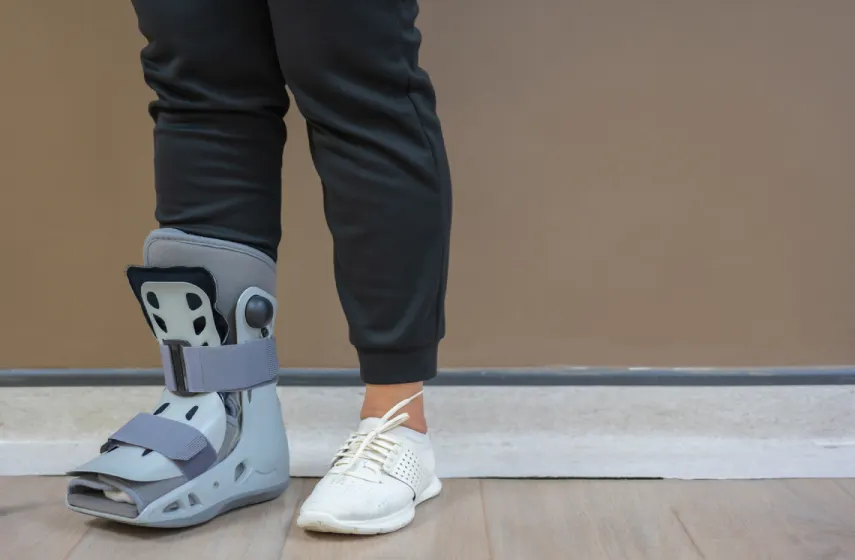
“Offloading” simply means taking pressure off certain high-risk areas of the foot. Offloading footwear is designed to:
- Reduce or redistribute pressure
- Minimise friction and shear forces
- Support proper alignment while walking
It’s especially crucial for:
- People with a history of diabetic foot ulcers
- Those with calluses under the toes or heel
- Neuropathy patients who cannot feel excessive pressure
Why Pressure Causes Ulcers
When you walk, stand, or even sit with your feet on the ground, some parts of your foot bear more pressure than others—usually:
- Under the ball of the foot
- Under the big toe and little toe
- Under the heel
In a healthy person, pain acts as an alarm: “Something is wrong, adjust your shoe or posture!” But in people with diabetic neuropathy, this alarm is muted or completely absent. So pressure continues silently—and over time:
- The skin hardens → callus
- Callus builds more pressure underneath → tissue damage
- Skin breaks down → ulcer
Offloading footwear interrupts this dangerous cycle.
How Offloading Footwear Works
Offloading footwear, like that used in Stepwise designs, prevents ulcers by:
1. Redistributing Pressure
The sole and insole are designed to spread body weight evenly across the foot. Instead of one area taking all the load, multiple areas share it.
Special features may include:
- Multi-density insoles
- Contoured footbeds
- Rocker-bottom designs in some medical shoes
2. Reducing Shear and Friction
Shear forces (side-to-side sliding inside the shoe) can cause skin breakdown. Offloading soles and smooth interiors reduce this, lowering the chance of wounds.
3. Protecting High-Risk Zones
In some cases, insoles are customised or shaped with cut-outs or added padding to protect:
- Previous ulcer sites
- Bony prominences
- Deformed toes
Stepwise offloading footwear is created with the logic: “no hotspot, no ulcer.”
Who Needs Offloading Footwear?
You should consider offloading footwear if:
- You’ve ever had a diabetic foot ulcer
- You have visible calluses under your foot
- You have Charcot foot or foot deformities
- You’ve been advised by a diabetologist, podiatrist, or orthopaedic doctor to use special footwear
- Your job involves long hours of standing or walking with diabetes
Offloading Footwear vs Normal Diabetic Shoes
All offloading footwear is diabetic footwear, but not all diabetic shoes provide ulcer-focused offloading.
- Normal diabetic shoes focus on general comfort and pressure reduction
- Offloading footwear is targeted, often supporting healing and prevention in patients at high risk or with existing damage
Stepwise offers footwear with advanced cushioning and structural support that mimics key offloading principles, making it suitable for ulcer prevention and everyday use.
How to Use Offloading Footwear Effectively
- Wear it consistently, not just “sometimes”
- Combine with regular foot inspections
- Use appropriate socks for diabetics (seamless, non-tight)
- Replace insoles if they become worn out or compressed
- Follow your doctor’s or podiatrist’s advice on activity levels
The Stepwise Approach
Stepwise Diabetic Footwear aims to:
- Protect feet from overloading and hotspots
- Support individuals with past ulcers or high-risk feet
- Help them walk with more confidence and safety
Offloading footwear is not a luxury—it’s a lifesaving tool in preventing diabetic foot complications.